
Innovative Branding Ideas | AD Vantage Integrated Marketing

Posted on November 07, 2025
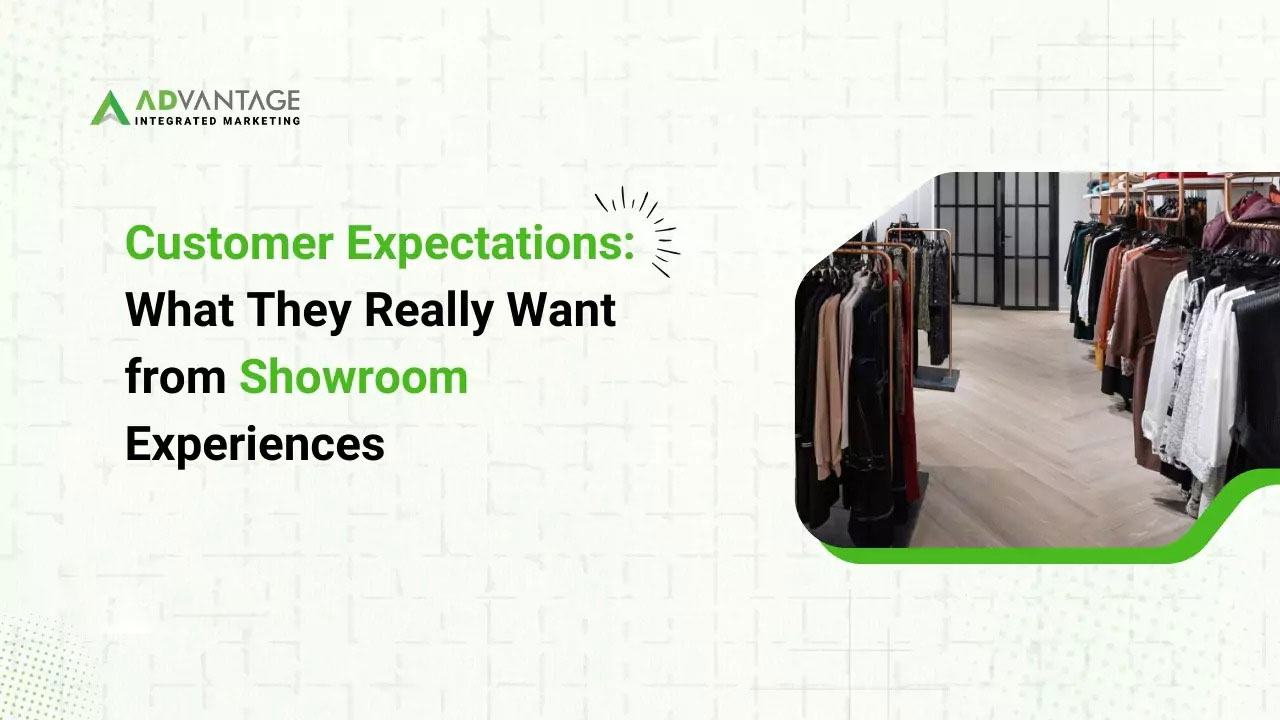
Are you managing a retail showroom or planning to set one up? Then remember — today’s customers don’t step inside just to see your products; they come to feel them. They’re seeking experiences, emotions, and confidence in their choices.
Modern consumers expect more than shelves and displays. They want immersive, intuitive, and meaningful interactions that help them connect with your brand.
So, what do customers truly want when they walk into a showroom? What makes them stay, engage, and buy? Let’s uncover the real expectations shaping showroom success today — and how your brand can exceed them.
“First impressions last.” In retail, they can make or break a sale. Within seconds of entering your showroom, customers subconsciously absorb details — the lighting, layout, cleanliness, scent, and even staff demeanor.
If the space feels cluttered or chaotic, it creates discomfort. A well-designed, clean, and welcoming environment instantly builds trust and comfort.
What Customers Expect:
Tip: Design your space with the customer journey in mind. Use focal points for best-selling or new products, add intuitive signage, and create open pathways for exploration.
Despite the dominance of e-commerce, customers still visit showrooms for one powerful reason — the experience. They want to touch, feel, try, and visualize how the product fits into their life.
Whether it’s testing the comfort of a sofa, feeling the texture of a fabric, or taking a car for a spin — interaction builds emotional connection.
What Customers Expect:
Tip: Encourage customers to imagine your products in their world. Create zones where they can “try before they buy” — comfort corners, demo setups, or virtual visualization screens.
Nothing frustrates customers more than confusion. Complex pricing, hidden costs, or unclear product details quickly erode trust. The best showrooms simplify everything — from product comparisons to checkout.
What Customers Expect:
Tip: Avoid information overload. Keep your displays crisp and minimal. Train staff to explain products in plain, relatable terms. Digital kiosks or QR codes can provide details for those who want to explore deeper.
Every customer is unique — some know exactly what they want, others need guidance. A “one-size-fits-all” approach doesn’t work anymore.
Customers appreciate when staff listen, observe, and tailor their assistance based on individual needs.
What Customers Expect:
Tip: Train teams to read body language, ask thoughtful questions, and adapt their communication. A personalized experience is often the difference between browsing and buying.
Today’s customers are digitally empowered. They research products, compare prices, and read reviews — sometimes while standing in your showroom. They expect technology to enhance the experience, not complicate it.
What Customers Expect:
Tip: Integrate technology that makes buying easier — not just flashier. For example, let customers visualize color options through AR, or explore detailed specs on touchscreens without waiting for assistance.
At the heart of every purchase lies trust. Customers want assurance — not just about the product quality, but also the buying process and after-sales support.
What Customers Expect:
Tip: Replace aggressive sales tactics with empathy. Build relationships, not transactions. Customers who feel respected and confident are the ones who return — and refer others.
A customer’s journey doesn’t end when they leave your showroom — it’s only the beginning of a long-term relationship. Post-purchase engagement is where brands truly build loyalty.
What Customers Expect:
Tip: Use CRM tools to stay connected. Send helpful reminders, offer loyalty rewards, or simply check in after the sale. Consistent care reinforces emotional connection.
Today’s customers expect more than just products — they expect experiences that inform, inspire, and involve. They want to feel welcomed, understood, and empowered.
When showrooms shift their focus from displaying to delighting, results follow — stronger engagement, higher conversions, and lasting loyalty.
At AD Vantage, we help brands design showrooms that don’t just look beautiful — they work beautifully. Spaces that combine strategy, storytelling, and sensory design to turn casual visitors into loyal customers.