
Innovative Branding Ideas | AD Vantage Integrated Marketing

Posted on November 07, 2025
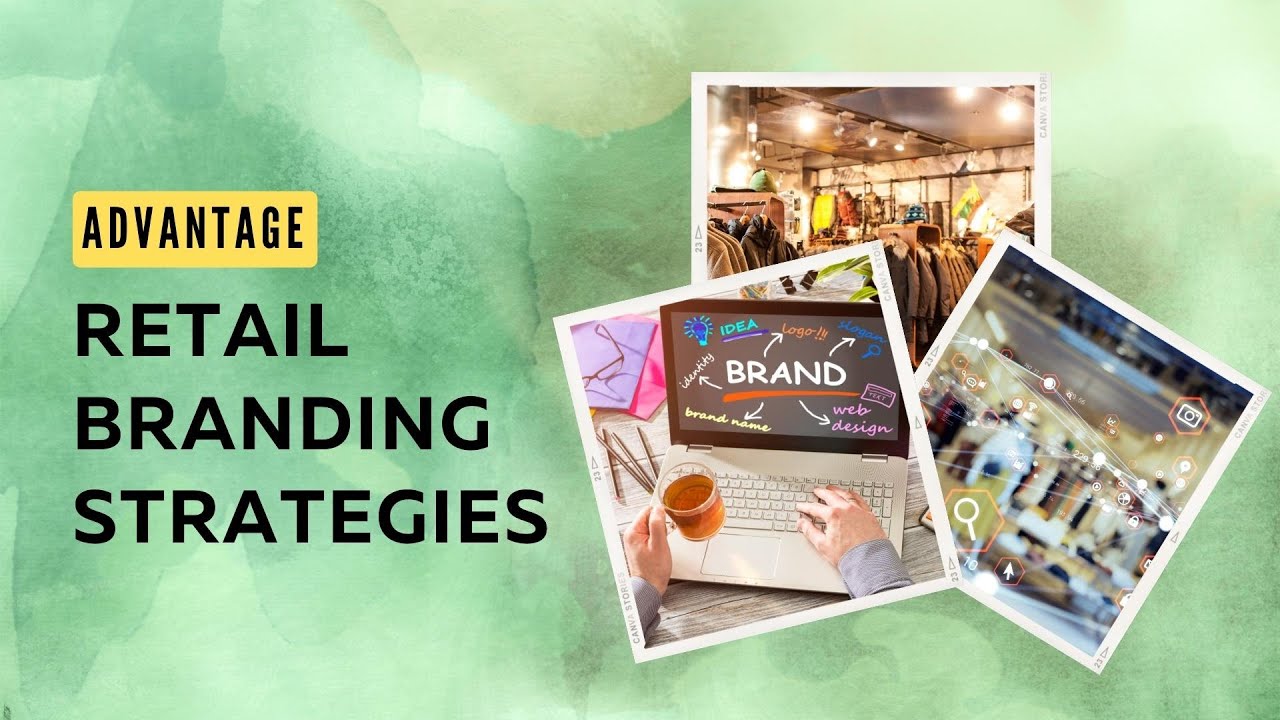
Retail branding is a constant balancing act between aesthetics and functionality—between what catches the eye and what keeps customers coming back. While a visually stunning store can attract attention, it’s the functional aspects—intuitive layouts, clear navigation, and seamless usability—that turn that attention into action.
The most successful retail brands know that design must not only look good but work well. Striking the right balance between visual appeal and practical performance is what transforms ordinary spaces into meaningful brand experiences.
Today’s customers don’t just shop for products—they shop for experiences.
A space that’s overly focused on aesthetics might shine on Instagram, but if it’s confusing to explore or difficult to purchase from, it hurts conversions. On the other hand, a purely functional store may be efficient but forgettable—lacking the emotional connection that fuels loyalty.
That’s why modern retail branding demands integration, not compromise. Aesthetics capture attention and build emotion, while functionality ensures satisfaction and ease. Whether online, offline, or hybrid, both are essential to creating a cohesive brand journey.
Functionality is about how effectively your brand delivers a smooth and intuitive customer experience.
In a physical store, this means strategic layouts, clear signage, appropriate lighting, and easy product access. Online, it’s about intuitive navigation, fast load times, mobile optimization, and effortless checkout.
Brands like IKEA and Target master this principle—designing spaces and systems that prioritize usability without sacrificing identity.
Aesthetics are the emotional glue of your brand—the sensory elements that make it memorable. From color palettes and typography to décor and lighting, visual storytelling communicates who you are long before a word is spoken.
Think of Apple Stores—minimal, elegant, and consistent with the brand’s design DNA. Every detail reinforces Apple’s ethos of simplicity and innovation.
Balancing beauty and purpose begins with understanding your brand DNA, customer expectations, and business objectives. The right mix isn’t a fixed ratio—it’s an evolving balance guided by your audience’s values.
Your retail brand doesn’t need to choose between looking good and working well. The magic happens where beauty meets purpose—when design not only attracts but also guides, simplifies, and delights.
By aligning aesthetics with functionality and grounding both in your brand’s purpose, you create experiences that are not just seen but felt, remembered, and repeated.